

SEO article | Culinary guide | Restaurant discovery
Asado negro is one of Venezuela’s most distinctive traditional dishes, celebrated for its deeply caramelized exterior, tender beef, rich brown sauce, and remarkable balance of sweet and savory flavors. Traditionally prepared with a large cut of beef slowly braised in a dark caramelized sauce, this beloved specialty represents the depth of Venezuelan home cooking and the cultural importance of sharing memorable meals.
For anyone searching for best asado negro near me, finding the right restaurant involves more than choosing the closest place serving beef. The best experience depends on the quality of the meat, the depth of the sauce, the cooking technique, the accompanying side dishes, and the restaurant’s commitment to authentic Venezuelan flavors.
Whether you are discovering Venezuelan cuisine for the first time, looking for a comforting traditional meal, or hoping to revisit a dish you enjoyed during your travels, understanding what makes asado negro exceptional can help you make a more informed dining choice. From its culinary origins and preparation methods to restaurant selection, regional variations, and frequently asked questions, this guide explores the dish in detail.
The goal is to help readers searching for best asado negro near me understand what to look for, how to evaluate a restaurant, and what makes this celebrated Venezuelan specialty worth seeking out.
Understanding Asado Negro and Its Culinary Identity
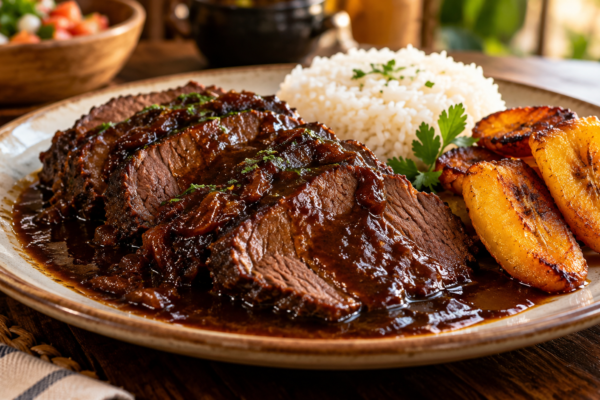
Asado negro is a traditional Venezuelan beef preparation distinguished by its dark, glossy sauce and tender texture. Its name translates approximately to “black roast,” referring to the deep color produced when sugar or a sweetener is caramelized and combined with meat juices, seasonings, and braising liquid.
Despite its dark appearance, the dish is not necessarily burnt or bitter. When prepared correctly, the sauce develops a complex flavor profile that combines sweetness, savory depth, gentle acidity, and the richness of slowly cooked beef.
The beef is commonly browned or seared before being cooked slowly in a mixture that may include onions, garlic, peppers, Worcestershire sauce, wine, broth, or other regional ingredients. Recipes vary between families and restaurants, making each preparation slightly different.
For diners exploring best asado negro near me, this variation is important. One restaurant may serve a version with pronounced caramel sweetness, while another may emphasize savory seasonings, aromatic vegetables, and a more restrained sauce.
What Makes Asado Negro Different From Other Beef Dishes?
Asado negro should not be confused with ordinary roast beef, pot roast, or grilled steak. Although these dishes share certain ingredients and techniques, asado negro has a distinctive cooking process that produces its signature color and flavor.
The caramelized sauce is central to its identity. Rather than relying exclusively on browning meat or using a conventional gravy, cooks develop a dark foundation that gradually becomes integrated with the beef during slow cooking.
The result is meat that can be sliced and served with sauce spooned generously over the top. Depending on the recipe, the texture may range from firm enough to hold clean slices to exceptionally tender pieces that separate easily under a fork.
The dish is also closely associated with Venezuelan family meals and celebrations. Its preparation takes time, which makes it particularly suitable for occasions when food is intended to be enjoyed slowly and shared with others.
A Brief Profile of Asado Negro
The following table summarizes the dish’s principal characteristics for readers who want a quick reference before exploring restaurants.
| Attribute | Details |
|---|---|
| Dish name | Asado negro |
| Cuisine | Venezuelan |
| Culinary tradition | Venezuelan criollo cooking |
| Main ingredient | Beef roast, often eye of round |
| Signature ingredient | Papelón, panela, or another caramelizing sweetener |
| Cooking method | Searing followed by slow braising |
| Flavor profile | Sweet, savory, rich, and gently tangy |
| Texture | Tender beef with a concentrated sauce |
| Common accompaniments | White rice, fried ripe plantains, potatoes |
| Typical occasions | Family meals, celebrations, and festive gatherings |
| Presentation | Sliced beef coated in dark sauce |
Asado negro is particularly associated with Caracas and Venezuela’s central culinary traditions. Although some accounts attribute its creation to an accidental cooking mishap, that origin story should be understood as culinary folklore rather than a definitively documented historical event. What is firmly established is the dish’s place in Venezuelan food culture and the many family recipes that preserve its distinctive character.
comidasvenezolanas.org
+2
The Origins and Cultural Significance of Asado Negro
Venezuelan cuisine reflects the influence of Indigenous food traditions, Spanish culinary practices, African heritage, and ingredients that became established throughout the country’s history. Asado negro belongs to this broader culinary landscape, where familiar cooking techniques have evolved into preparations with distinctive regional identities.
The dish is often linked to Caracas, where slow-cooked beef preparations have long been part of traditional home cooking. Its characteristic dark color and sweet-savory sauce distinguish it from other roasts, while its lengthy preparation makes it especially suitable for substantial family meals and celebrations.
One popular story suggests that a cook accidentally darkened a roast and transformed the result into a successful dish by adding liquid, seasonings, and sweetness. Although this story is memorable, it is not a verified account of the dish’s invention. Its enduring appeal does not depend on whether that particular event occurred.
Asado negro is also associated with festive dining, including Christmas meals in some Venezuelan households. It may appear alongside other traditional dishes, but recipes and serving customs differ from family to family.
For people looking for best asado negro near me, understanding this cultural background provides a useful perspective. An excellent serving is not simply a dark piece of meat; it reflects the careful balance, patient cooking, and distinctive flavor combinations that define the dish.
The Ingredients Behind Exceptional Asado Negro
The quality of asado negro depends on how its ingredients work together. A restaurant does not necessarily need to follow one rigid recipe to produce a memorable version, but the principal elements should complement one another.
Beef and the Importance of the Cut
A traditional preparation commonly uses muchacho redondo, a beef cut corresponding broadly to eye of round. Some recipes use other suitable roasting cuts, depending on availability and the desired texture.
Eye of round is relatively lean, so careful temperature control and sufficient braising time are important. If cooked too aggressively or sliced incorrectly, it may become dry or chewy. When handled well, however, it can produce neat slices that absorb the dark sauce.
When evaluating best asado negro near me, pay attention to the texture rather than assuming that softness alone indicates quality. The beef should be tender without tasting waterlogged, and its slices should retain enough structure to be served attractively.
Papelón and the Development of Dark Caramel
Papelón, known as panela in several other countries, is an unrefined cane sugar traditionally used in Venezuelan cooking. It contributes sweetness and helps create the dark caramel associated with asado negro.
The caramelization process requires attention. Sugar that has not developed enough color may produce a sauce that tastes excessively sweet and lacks depth. Sugar that burns too severely can introduce harsh bitterness.
A skilled cook develops a deep mahogany color before combining the caramelized foundation with the other ingredients. The result should be rich and rounded, not acrid.
Aromatics, Wine, and Seasonings
Onion and garlic are common components of the sauce. Sweet peppers, tomatoes, bay leaves, black pepper, and Worcestershire sauce may also appear, depending on the recipe. Red wine is frequently used to add acidity and complexity, although individual preparations differ.
These ingredients contribute different characteristics. Aromatic vegetables build the savory foundation, wine adds depth and acidity, and seasonings help prevent the caramel from dominating the dish.
When searching for best asado negro near me, a balanced sauce is one of the most reliable indicators of good preparation. It should taste integrated, with no single ingredient overpowering the beef.
How Traditional Asado Negro Is Prepared
The cooking process explains why a well-made serving can taste so different from ordinary roast beef. Rather than relying on a quick sear and a simple gravy, the dish develops its flavor in several stages.
1. Marinating the Beef
The beef is seasoned with ingredients such as garlic, onion, salt, pepper, and wine. Some recipes include Worcestershire sauce, sweet peppers, or additional herbs.
Marinating gives the seasonings time to mingle and allows the exterior of the meat to absorb some of the mixture’s flavors. Many recipes recommend several hours of refrigeration, while others leave the beef overnight.
2. Creating the Dark Exterior
The cook heats the caramelizing ingredient in a suitable cooking vessel and carefully develops its color. The beef is then browned in or alongside the caramelized mixture, depending on the recipe.
This stage requires skill because the difference between dark caramel and burnt sugar can be subtle. Properly developed caramel contributes depth and color without making the finished sauce unpleasantly bitter.
3. Slow-Braising the Meat
After the initial browning, the cook adds the reserved marinade, aromatics, wine, broth, or other braising liquids. The pot is covered, and the beef cooks slowly until it reaches the desired tenderness.
The cooking time depends on the cut, the size of the roast, the equipment, and the recipe. Traditional versions can require several hours, making patience an essential part of the method.
4. Developing the Sauce
Once the beef is tender, the cooking liquid may be blended, strained, or reduced to achieve the desired consistency. Some cooks preserve small pieces of vegetables, while others prefer a smooth, glossy sauce.
The finished sauce should coat the back of a spoon without becoming excessively thick or sticky. It should also retain enough acidity and savory character to balance the sweetness.
5. Slicing and Serving
The roast is allowed to rest before being sliced. Cutting against the grain helps produce more tender portions, particularly when the chosen cut contains long muscle fibers.
The slices are arranged on a plate and covered with sauce, with additional sauce served separately when appropriate. The final presentation should make the beef the centerpiece while allowing the accompaniments to contribute their own textures and flavors.
For anyone seeking best asado negro near me, these preparation stages provide a useful framework for distinguishing a carefully made traditional dish from a hurried imitation.
What to Look for When Choosing a Restaurant
Finding an excellent restaurant requires more than entering a search phrase and selecting the first result. Asado negro is a specialty dish, and its availability can vary considerably between restaurants, particularly outside Venezuela and communities with established Venezuelan dining traditions.
Authenticity and Culinary Experience
Look for restaurants that identify the dish specifically as Venezuelan asado negro rather than using the name loosely for any dark beef roast.
A Venezuelan restaurant with a menu centered on regional specialties may be a promising starting point. However, a restaurant’s nationality or general reputation does not automatically guarantee that every dish is well prepared.
Check whether the menu describes the preparation, sauce, and accompanying sides. Detailed descriptions can help you understand what the kitchen intends to serve.
Freshness and Cooking Quality
Asado negro is often prepared in advance because slow braising takes time. That does not make it less fresh or desirable. Properly stored and reheated braised beef can remain flavorful, and resting may allow its flavors to become more integrated.
What matters is how the restaurant handles the finished dish. The beef should be served at an appropriate temperature, the sauce should taste freshly balanced, and the meat should not have a dry or stale texture.
Portion Size and Value
Compare the amount of beef, the quality of the sauce, the included side dishes, and the overall price. A generous portion is attractive, but value also depends on execution.
A smaller serving with tender meat and a carefully prepared sauce may offer a better experience than a larger plate with dry beef and an overly sweet gravy.
Reviews That Provide Useful Details
When investigating best asado negro near me, prioritize reviews that specifically mention the dish. General comments about friendly service or attractive interiors do not necessarily tell you how the beef tastes.
Look for repeated observations about tenderness, sauce consistency, portion size, and the accuracy of menu descriptions. A single enthusiastic review can be helpful, but consistent feedback across multiple diners offers a more useful picture.
Availability Before Visiting
Some restaurants serve asado negro regularly, while others feature it as a weekend special, holiday dish, or rotating menu item.
Check the current menu or contact the restaurant before traveling. If the dish is unavailable that day, ask when it is next expected to be served. This simple step can save time and reduce the chance of arriving for a meal that is not offered.
How to Search for the Best Asado Negro Near Me
A location-based search becomes more effective when it combines the dish’s name with practical details about the kind of restaurant you want.
Start with the exact phrase best asado negro near me. Then compare the results with searches that include Venezuelan restaurants, Latin American restaurants, or the name of your neighborhood.
The broader terms can reveal restaurants that prepare the dish but do not prominently feature it in their online descriptions. Nevertheless, verify that asado negro is actually on the menu rather than assuming that every Latin American restaurant serves it.
Consider the following approach:
- Check the menu first. Confirm that the restaurant explicitly lists asado negro and determine whether it is a regular offering or a special.
- Read dish-specific reviews. Look for descriptions of the beef, sauce, and accompaniments rather than relying only on overall ratings.
- Compare practical details. Consider distance, opening hours, serving sizes, dine-in arrangements, and takeaway availability.
- Contact the restaurant if necessary. Ask about availability, portion options, ingredients, and whether advance ordering is recommended.
- Compare the complete experience. Evaluate food quality, service, value, and consistency rather than selecting a restaurant solely because it is nearby.
The meaning of “near me” depends on where you are and how far you are willing to travel. A useful search should reflect your actual location and travel preferences, not assume that the nearest listing is necessarily the best option.
For readers using Snapjotz.com as a publishing destination, this distinction is also important from an editorial perspective: a useful local dining guide should help readers make informed choices without inventing restaurant recommendations, prices, customer ratings, or availability.
The Best Side Dishes to Pair With Asado Negro
The accompaniments are an important part of the experience because they balance the sauce’s concentrated flavor and make the meal feel complete.

White rice
Plain white rice is a classic pairing. Its mild flavor absorbs the dark sauce without competing with the beef, allowing the caramelized and savory notes to remain prominent.

Fried ripe plantains
Known as tajadas, these golden slices provide sweetness and a soft interior with lightly crisp edges. They complement the sauce while adding a different texture to the plate.

Mashed or roasted potatoes
Potatoes offer a mild, hearty accompaniment. Mashed potatoes create a creamy contrast, while roasted potatoes introduce a firmer texture and lightly browned edges.

Black beans
Black beans add an earthy, savory element to the meal. Their flavor works well alongside rice and beef, especially for diners who prefer a substantial traditional-style plate.
These combinations are not mandatory, and restaurant menus vary. Some establishments serve the beef with rice and plantains, while others offer potatoes, vegetables, or a house-selected accompaniment.
TasteAtlas
+1
When comparing best asado negro near me, pay attention to how the sides are prepared. Well-seasoned rice, properly fried plantains, and freshly served accompaniments can elevate an otherwise good main course into a more satisfying meal.
Regional Variations and Modern Interpretations
Although asado negro has a recognizable identity, it is not governed by a single universal recipe. Venezuelan cooks often adapt the proportions of sweetener, wine, vegetables, and seasonings to suit household preferences and regional traditions.
Some preparations emphasize papelón and produce a pronounced caramel flavor. Others use more wine, tomatoes, or aromatic vegetables to create a sauce with greater acidity and savory depth. The choice of beef cut can also influence the final texture.
Modern restaurants may adjust the presentation to suit contemporary dining. A traditional roast might be served in generous slices with rice, while an upscale restaurant could present smaller portions with carefully arranged vegetables and a more concentrated sauce.
These adaptations do not necessarily make a dish less authentic. The more useful question is whether the kitchen preserves the defining characteristics of asado negro: deeply caramelized flavor, tender beef, a balanced dark sauce, and a coherent relationship between the meat and its accompaniments.
For people exploring best asado negro near me, understanding these variations can prevent unnecessary disappointment. Two restaurants may prepare noticeably different versions while both respecting the culinary tradition.
Is Asado Negro a Good Choice for Special Occasions?
Asado negro is well suited to celebratory dining because it is flavorful, substantial, and traditionally prepared with considerable care. Its association with family meals makes it a natural choice for birthdays, holiday gatherings, dinners with friends, and occasions when a shared meal is central to the experience.
It is also practical for group dining when the restaurant can prepare the roast in advance. The beef can be sliced into portions, and the sauce can be distributed across multiple plates without sacrificing the dish’s identity.
For a special occasion, consider contacting the restaurant beforehand to ask about group portions, advance orders, and available side dishes. If several people will be dining together, it may be useful to confirm whether the kitchen can accommodate dietary restrictions or ingredient concerns.
The dish is relatively rich, so lighter accompaniments such as fresh vegetables or a simple salad can provide contrast. Diners who prefer a more traditional presentation may enjoy the combination of white rice and sweet plantains.
Choosing best asado negro near me for a celebration ultimately means finding a restaurant that can deliver both reliable preparation and a comfortable dining experience.
Nutritional Considerations and Dietary Preferences
Asado negro is a beef-based main course, and its nutritional composition depends on the cut of meat, portion size, cooking fat, sweetener, sauce ingredients, and accompanying dishes.
Beef provides protein, iron, vitamin B12, and other nutrients. However, the amount of saturated fat can vary depending on the cut and how much visible fat remains in the finished serving.
The caramelized sauce contributes additional sugars, while the amount of sodium depends on the seasoning, broth, Worcestershire sauce, and other ingredients. Rice, potatoes, plantains, and beans add their own nutritional characteristics to the meal.
Diners who wish to make more informed choices can consider these practical steps:
- Ask whether the restaurant offers different portion sizes.
- Request additional sauce on the side if you want greater control over the amount served.
- Choose vegetables or a simple salad alongside the beef when available.
- Ask about added sugar, salt, or cooking ingredients if you have specific dietary requirements.
- Confirm potential allergens directly with the restaurant rather than relying on a generic dish description.
Traditional recipes may contain wine, Worcestershire sauce, or other ingredients that are relevant to individual dietary preferences. The presence of these ingredients varies, so diners should confirm the actual recipe when necessary.
Asado negro is not inherently suitable for every diet, but restaurants may be able to answer questions about ingredients and portion options. These details can be just as important as taste when deciding where to dine.
Frequently Asked Questions About Best Asado Negro Near Me
1. What is asado negro?
Asado negro is a traditional Venezuelan beef dish prepared by browning a roast and slowly braising it in a dark, caramelized sauce. Its characteristic flavor combines sweetness, savory seasonings, and the richness of tender beef.
2. Where can I find the best asado negro near me?
Start by searching for Venezuelan restaurants in your area and checking their current menus. Read reviews that specifically discuss asado negro, compare preparation details, and contact the restaurant to confirm availability. The best choice will depend on your location, taste preferences, budget, and desired dining experience.
3. What does asado negro taste like?
A well-prepared version has a rich, sweet-savory flavor with caramelized notes, aromatic seasonings, and a balanced sauce. The sweetness should complement the beef rather than overwhelm it, while the sauce may have gentle acidity from wine or tomatoes.
4. Is asado negro spicy?
Traditional asado negro is not necessarily hot or spicy. Many recipes rely on garlic, onion, sweet peppers, and herbs rather than strong chili heat. Individual restaurants may offer spicier variations, so ask about the seasoning if you prefer mild food.
5. What meat is used in asado negro?
Eye of round, known in Venezuelan cooking as muchacho redondo, is a traditional choice. Other beef cuts suitable for slow braising may be used depending on the recipe and local availability.
6. What is the dark sauce made from?
The sauce commonly includes caramelized papelón or another sugar, beef cooking juices, onions, garlic, and seasonings. Wine, tomatoes, sweet peppers, Worcestershire sauce, and broth may also be incorporated.
7. What is papelón?
Papelón is an unrefined cane-sugar product used in Venezuelan cooking. It is closely associated with the characteristic dark color and sweet depth of traditional asado negro. Panela is a comparable ingredient used in other Latin American culinary traditions.
8. What are the traditional side dishes for asado negro?
White rice and fried ripe plantains are popular accompaniments. Potatoes, black beans, and vegetables may also be served. The precise combination depends on the restaurant, household tradition, and regional preferences.
9. Is asado negro the same as barbecued beef?
No. Although the name contains the Spanish word for roast, traditional asado negro is generally prepared by caramelizing and browning beef before slowly braising it in a sauce. It is different from beef cooked primarily over an open flame or on a barbecue grill.
10. Why is asado negro cooked for so long?
Slow cooking allows the beef to become tender and gives the braising liquid time to develop a concentrated flavor. The required duration varies with the cut, size of the roast, cooking temperature, and method used.
11. Can I order asado negro for takeaway?
Some restaurants offer takeaway portions, but availability depends on the establishment. Contact the restaurant to confirm whether the dish is available for collection or delivery and whether the sauce is packed separately.
12. Is asado negro served during Christmas?
Yes, it is associated with festive meals in some Venezuelan households, including Christmas celebrations. However, it is also enjoyed at other family gatherings and throughout the year, depending on local customs and restaurant menus.
13. How can I tell whether a restaurant makes good asado negro?
Look for tender but well-structured beef, a glossy sauce with balanced sweetness and savory depth, and accompaniments that complement the main course. Consistent dish-specific reviews and clear menu descriptions can help you assess a restaurant before visiting.
14. Is restaurant-made asado negro different from homemade versions?
It can be. Restaurants may prepare larger roasts, use house-specific seasonings, or develop their sauces according to established kitchen procedures. Homemade versions often reflect individual family traditions. Neither approach is automatically superior; the quality of the ingredients and execution matters most.
15. What should I ask before visiting a restaurant?
Ask whether asado negro is available that day, which side dishes are included, what portion sizes are offered, and whether advance ordering is necessary. If you have dietary restrictions, confirm the ingredients and preparation method directly with the kitchen.
A Practical Dining Checklist for Your Next Search
Before choosing a restaurant, use the following checklist to compare your options.
Restaurant selection checklist
0 of 7The menu explicitly lists asado negroThe restaurant confirms the dish is availableReviews discuss the beef and sauce specificallyPortion size and price fit my budgetSide dishes suit my preferencesLocation and opening hours are convenientDietary questions have been answered, if applicable
Reset checklist
This checklist is useful whether you are searching for a casual lunch, a traditional dinner, or a memorable meal for a special occasion. It also helps distinguish a restaurant that merely mentions the dish from one that appears to prepare it thoughtfully and consistently.
Discovering a More Memorable Venezuelan Dining Experience
The appeal of asado negro lies in the relationship between patience, technique, and flavor. The dark exterior, tender slices of beef, and carefully balanced sauce transform a relatively straightforward roast into a dish with a distinctive culinary identity.
When searching for best asado negro near me, look beyond proximity and broad restaurant ratings. Give particular attention to the preparation method, the quality of the beef, the balance of the sauce, the accompanying dishes, and recent feedback from people who have actually ordered it.
A restaurant that explains its preparation clearly, confirms current availability, and serves a thoughtfully composed plate offers a stronger starting point than an unverified listing. For those discovering Venezuelan cuisine, the dish also provides an introduction to a broader tradition of regional cooking in which family recipes, shared meals, and carefully developed flavors remain important.
Whether served with traditional rice and plantains or presented with a contemporary selection of sides, well-prepared asado negro can turn an ordinary restaurant visit into a rewarding culinary experience.
Read more:https://tribeza.co.uk/classroom-15/





Leave a Reply